

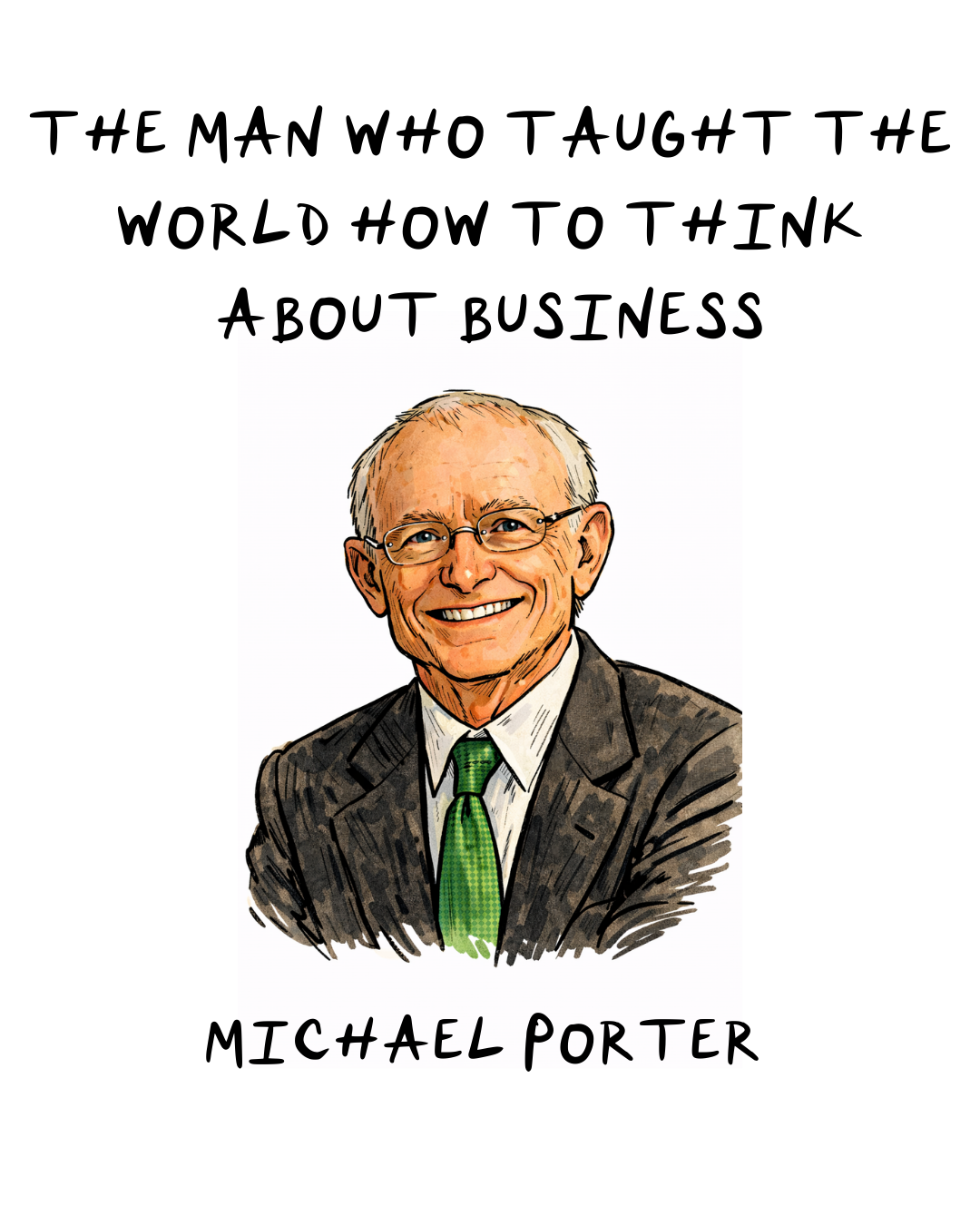
The Man Who Taught the World How to Think About Business—And Why Most Entrepreneurs Still Don't Get It
Most entrepreneurs believe their biggest problem is effort. They think if they work harder, move faster, and out-hustle the competition, everything will eventually fall into place.
But Michael Porter showed the world something different.
Businesses don’t just compete against other companies—they operate inside systems shaped by competitors, customers, suppliers, substitutes, and new entrants constantly trying to take their place. When founders ignore those forces, they end up exhausted, reacting to pressure they don’t fully understand.
Porter didn’t build a startup or chase trends. Instead, he gave leaders something far more valuable: a way to see the hidden structure of competition. His frameworks—like the famous Five Forces—help businesses understand why industries behave the way they do and where real advantage actually comes from.
Because strategy isn’t about beating everyone at everything. It’s about understanding the game you’re playing—and choosing where you truly belong.
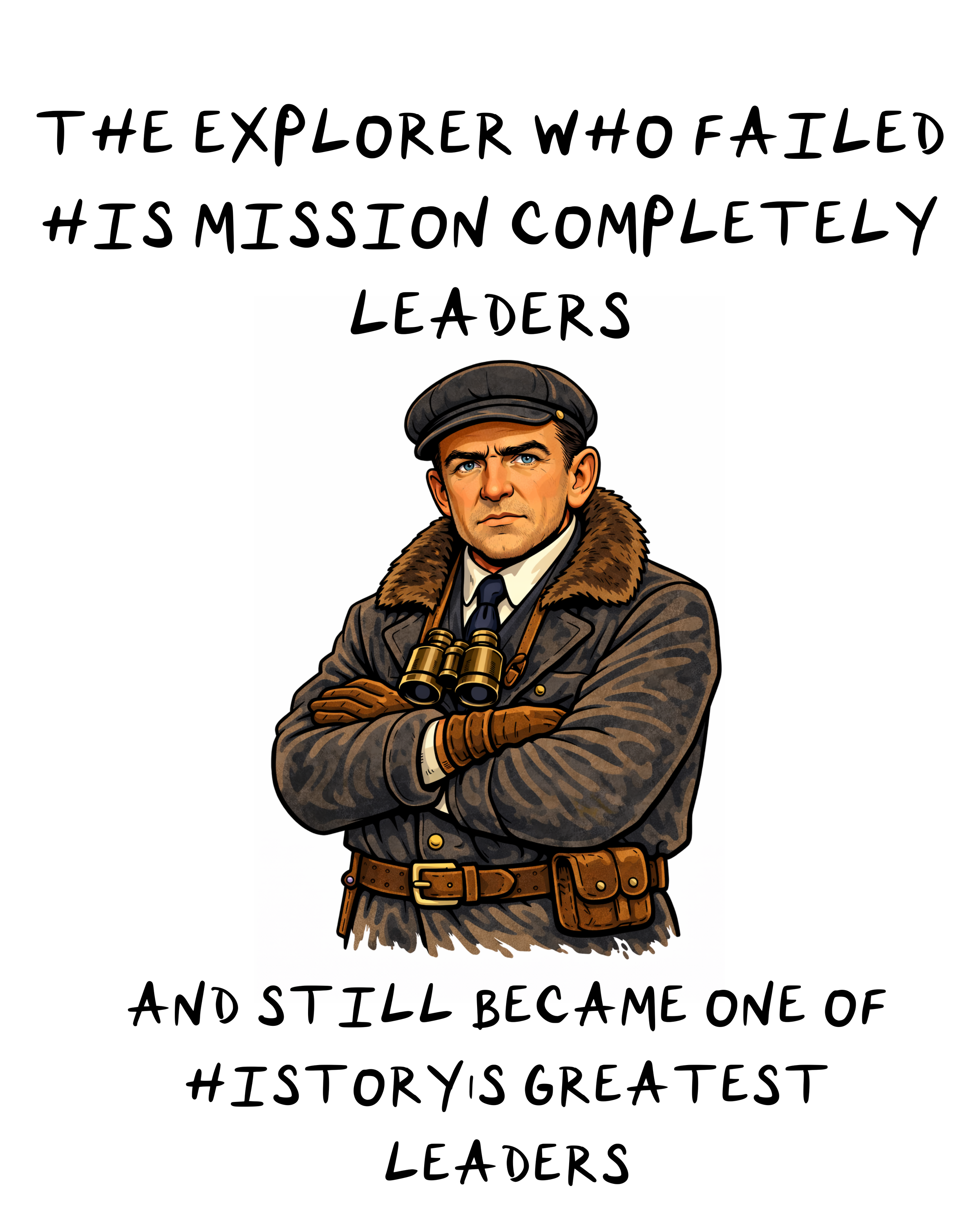
The Explorer Who Failed His Mission Completely—And Still Became One of History's Greatest Leaders
Ernest Shackleton set out to accomplish something no human had ever done: cross Antarctica on foot. Instead, his ship was crushed by ice, his crew was stranded for nearly two years, and the mission completely collapsed. By every traditional metric, the expedition failed.
But something remarkable happened in the middle of that failure.
Shackleton made a decision that most leaders struggle to make. He let go of the original mission. Crossing Antarctica no longer mattered. The new mission became simple: bring every man home alive.
That shift changed everything.
Instead of chasing a goal that no longer matched reality, Shackleton focused on what truly mattered—protecting his people, maintaining morale, and making steady decisions under extreme pressure. In the harshest conditions imaginable, he kept his crew disciplined, hopeful, and united.
When the ordeal finally ended after 22 months, all 28 men survived.
Shackleton never achieved the mission he originally set out to complete. But he proved something far more important about leadership: sometimes success isn’t defined by reaching the destination you planned—it’s defined by how you guide people through the storm.

The Man Who Bet $30 Billion on AI Before Anyone Knew What AI Was—And Why That Changes Everything About How You Should Build
While Silicon Valley was busy pivoting, chasing trends, and worshiping “fail fast,” Jensen Huang was quietly making a 30-year bet on infrastructure no one understood. Long before AI became a buzzword, he invested billions into GPU architecture and CUDA—technology the market didn’t ask for and Wall Street didn’t value. Today, that conviction powers the entire artificial intelligence revolution. This isn’t a story about luck or timing. It’s a masterclass in strategic patience, long-term thinking, and building for a future no one else can see.
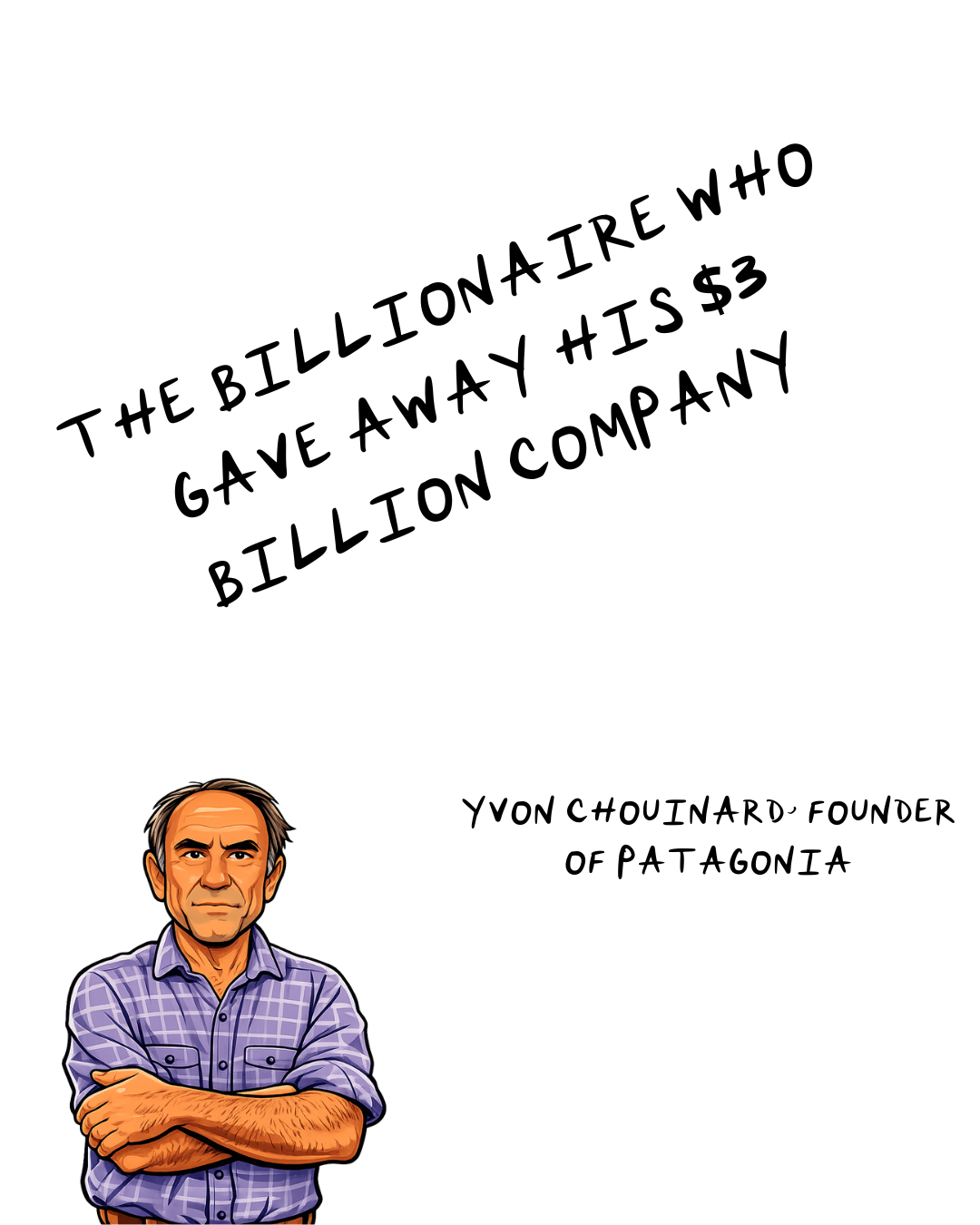
The Billionaire Who Gave Away His $3 Billion Company—And Why That's the Most Radical Thing a Founder Can Do
Most founders build to cash out.
Yvon Chouinard built to protect.
After turning Patagonia into a $3 billion company, he didn’t sell it, take it public, or pass it to his kids. He gave it away—locking the company so all future profits fight climate change instead of enriching a family or shareholders.
That wasn’t charity. It was design.
Chouinard proved you don’t have to sell your soul to build something that lasts. You just have to decide what you’re actually building for.erence instead of chaos.
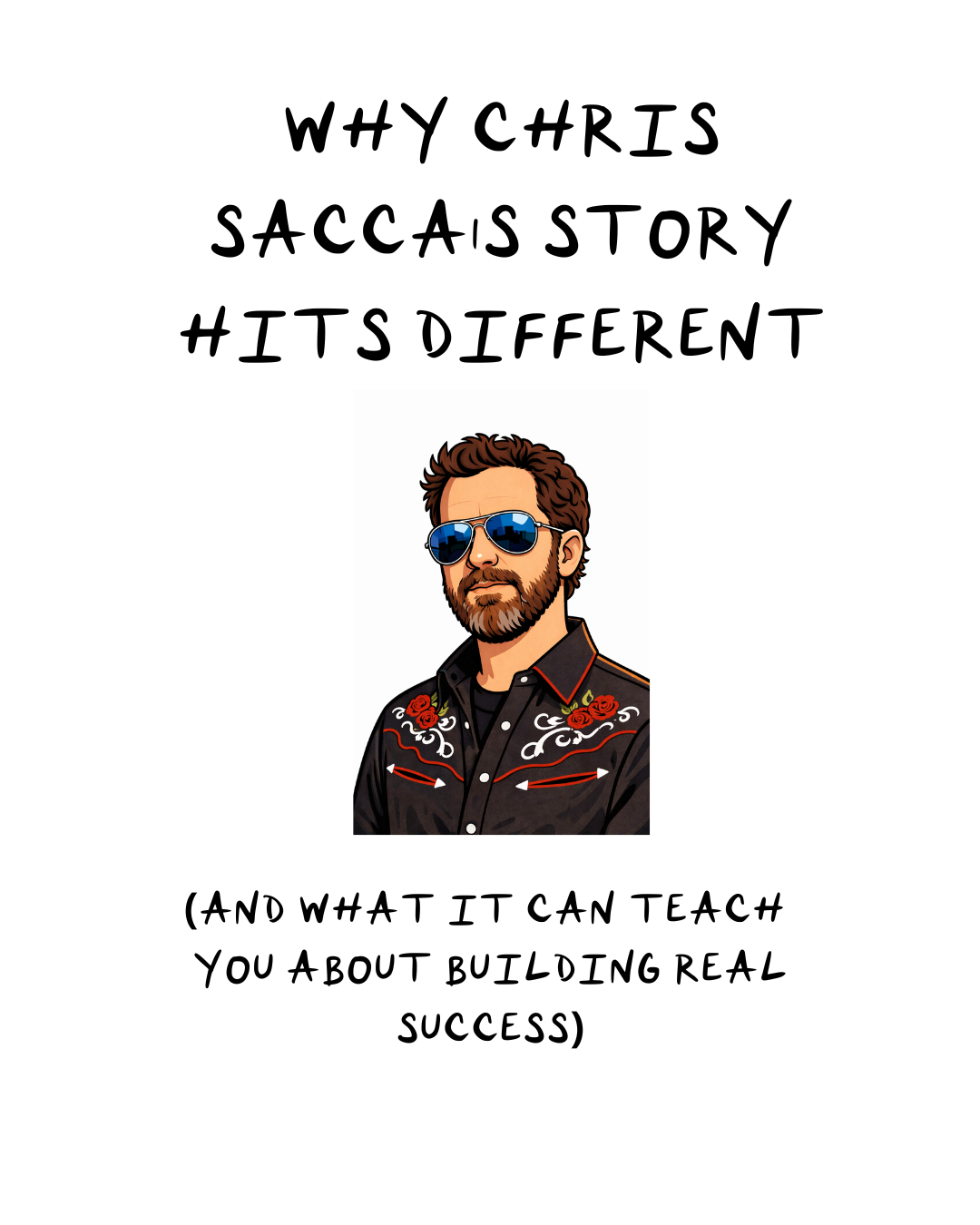
Why Chris Sacca's Story Hits Different (And What It Can Teach You About Building Real Success)
Chris Sacca went from drowning in debt to backing Twitter, Uber, and Instagram before anyone saw their potential. But his real lesson isn't about billions—it's about trusting yourself when everyone thinks you're crazy, leaning into trouble as your teacher, and showing up as exactly who you are. Real success doesn't come from following the script. It comes from writing your own.
When a Leader Steps Away, the Work Should Speak for Them
The biggest thing killing your business isn’t your competition, bad timing, or lack of funding- it’s your own mind. Most entrepreneurs nail the external success (revenue, growth, metrics) but completely neglect internal success (mental clarity, purpose sustainable energy). The result? They build companies that look incredible on the outside while crumbling on the inside. This blog reveals the one mindset shift the separates founders who thrive long term from those who burnout spectacularly, and the practical framework you can implement this week to build with coherence instead of chaos.
Why Most Entrepreneurs Miss the REAL Threat to Success (And the One Mindset Shift That Separates Breakouts from Burnouts)
The biggest thing killing your business isn’t your competition, bad timing, or lack of funding- it’s your own mind. Most entrepreneurs nail the external success (revenue, growth, metrics) but completely neglect internal success (mental clarity, purpose sustainable energy). The result? They build companies that look incredible on the outside while crumbling on the inside. This blog reveals the one mindset shift the separates founders who thrive long term from those who burnout spectacularly, and the practical framework you can implement this week to build with coherence instead of chaos.
The Facebook Co-Founder Just Quit Being CEO—And His Reason Is Brutally Honest
Facebook co-founder Dustin Moskovitz just stepped down as Asana CEO after 15 years. His reason? The job was "exhausting" and didn't fit his introverted personality. Here's why his brutal honesty matters more than you think.

Why "Move Fast and Break Things" Is Dead (And What Actually Works Now)
“Move fast and break things" was Silicon Valley's battle cry. But innovation without responsibility isn't bold—it's expensive stupidity with better marketing. Here's why the future belongs to leaders who can think three steps ahead while building fast.

Amazon Just Laid Off 14,000 People While Making Billions—Here’s What That Really Means
Amazon just cut 14,000 jobs while posting record profits and spending $120 billion on AI. This isn't about efficiency—it's about the future of work. Here's what it means for your career and what you need to do right now to survive.